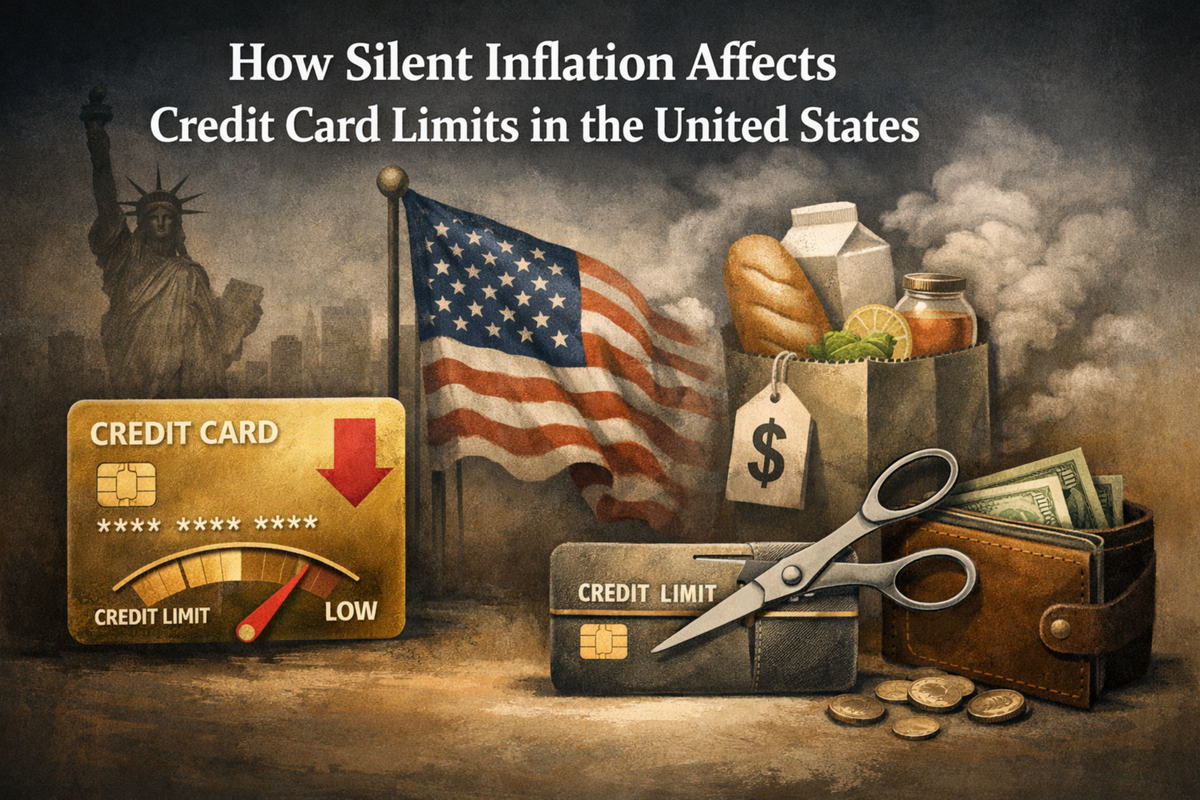
In recent years, the concept of sharing resources has transformed the way individuals interact with the marketplace, making waves in how people manage their finances. Stemming from advancements in technology and a shifting mindset toward collaborative consumption, this trend has implications on both a personal and broader economic scale.
Participants find themselves in a dynamic environment where flexibility, access, and entrepreneurship are key—oriented around a central idea of exchanging goods and services in ways that were previously unimaginable.
The rise of collaborative consumption in the United States
The sharing economy has become increasingly significant in the U.S., shifting traditional modes of ownership toward temporary access. Platforms like Airbnb and Uber exemplify this change, offering alternatives to conventional hotels and taxis. This model appeals to consumers and providers alike, creating a marketplace ripe with opportunities.
As this model expands, individuals find they can augment their earnings with relative ease. This is particularly appealing in an economy where gig work is gaining traction. The flexibility shared platforms provide can significantly benefit those looking to manage financial commitments in an ever-changing job landscape. Young professionals and students often gravitate toward these opportunities, as they can seamlessly integrate them into their lives without abandoning primary career paths or academic pursuits.
Dual roles and economic impact
In this burgeoning model, participants are often simultaneously consumers and entrepreneurs, leading to an intriguing economic phenomenon. They can mitigate personal living costs by utilizing services that previously required more substantial financial commitment while also becoming providers themselves to bolster their revenues. This dual role is revolutionizing the perception of employment and what it means to participate in the economy actively.
The broader economic impact is profound. On a macro level, it introduces competition, disruption, and innovation, encouraging traditional industries to evolve. On a micro level, it raises questions about regulation, taxation, and labor rights. While it enables more fluid income-earning potential, it also blurs lines concerning job security and benefits, sparking discussions about how best to support this new wave of entrepreneurial activity within the existing economic framework.
The influence on disposable income
One significant effect of the sharing economy is its influence on disposable income. As individuals engage with platforms like TaskRabbit or Turo, they often find new income streams or savings opportunities, adding to their available funds. These additional resources can lead to increased consumer spending, benefiting businesses across sectors. The ripple effect touches various aspects, from dining and entertainment to personal savings and investments.
This economic environment encourages participants to be proactive about their financial health. By adopting diversified streams of income, they better prepare for uncertainties, and some even find such ventures turning into full-time endeavors. The flexibility to choose when and how often to participate allows individuals to adapt their engagement levels, catering to their financial needs in real-time. This characteristic is instrumental in promoting financial resilience amid an unpredictable economic backdrop.
Navigating challenges and possibilities
Despite its advantages, the sharing economy does pose challenges. Issues like regulatory compliance, consistency in income, and job security demand attention. Participants must navigate these complexities, often without clear guidance or infrastructure akin to traditional employment avenues. Furthermore, the potential for oversupply in certain segments might lead to reduced profitability for providers, requiring them to innovate continually.
Yet, the potential for growth remains compelling. With sustainability and technology advancing hand-in-hand, the sharing economy is poised to become more integrated into daily life. As artificial intelligence, blockchain, and other technologies evolve, they will likely refine and enhance these platforms, leading to greater efficiency and facilitating even wider participation. Balancing these technological advancements with necessary regulatory measures will be crucial to maximizing benefits while minimizing drawbacks.
At the same time, consumers are becoming more comfortable with flexible ownership models and digital services, encouraging businesses to expand collaborative platforms into new sectors. This evolution may create stronger economic opportunities while also transforming the relationship between workers, consumers, and modern digital marketplaces.
Concluding thoughts
The sharing economy in the U.S. is a robust and rapidly evolving phenomenon, reshaping traditional financial landscapes. By providing avenues for increased disposable income and promoting flexible work arrangements, it highlights a shift toward more diversified economic participation. However, the need for clear regulations and safeguards remains imperative to protect and empower participants.
Ultimately, engaging with this model can foster financial empowerment for individuals, pushing them to explore new opportunities and embrace innovation. As this landscape continues to unfold, both participants and policymakers must remain vigilant, ensuring that growth is sustainable and inclusive. The future promises exciting developments, and those poised to adapt will likely reap substantial rewards in this new economic era.
In addition, technological advancements and changing consumer habits are expected to further accelerate the expansion of collaborative services across multiple industries. This ongoing transformation may create new sources of income while also redefining how people access goods, transportation, housing, and professional services in everyday life.